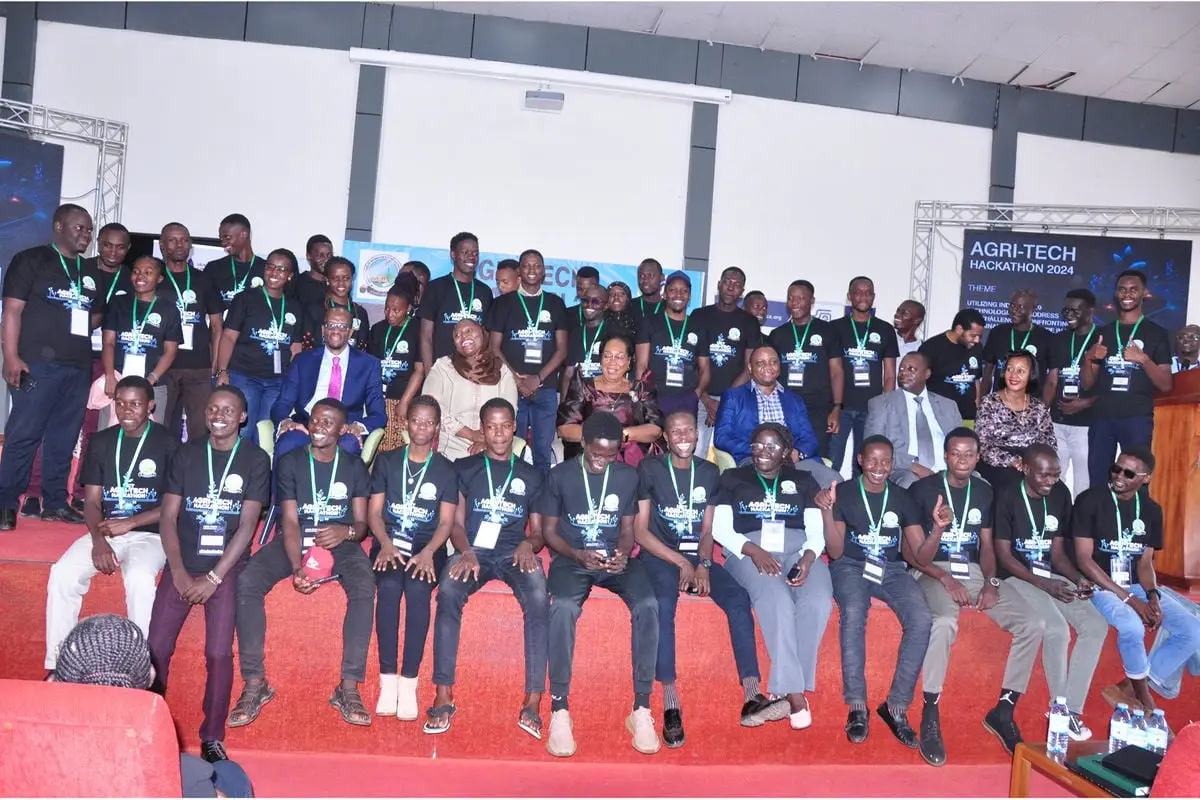

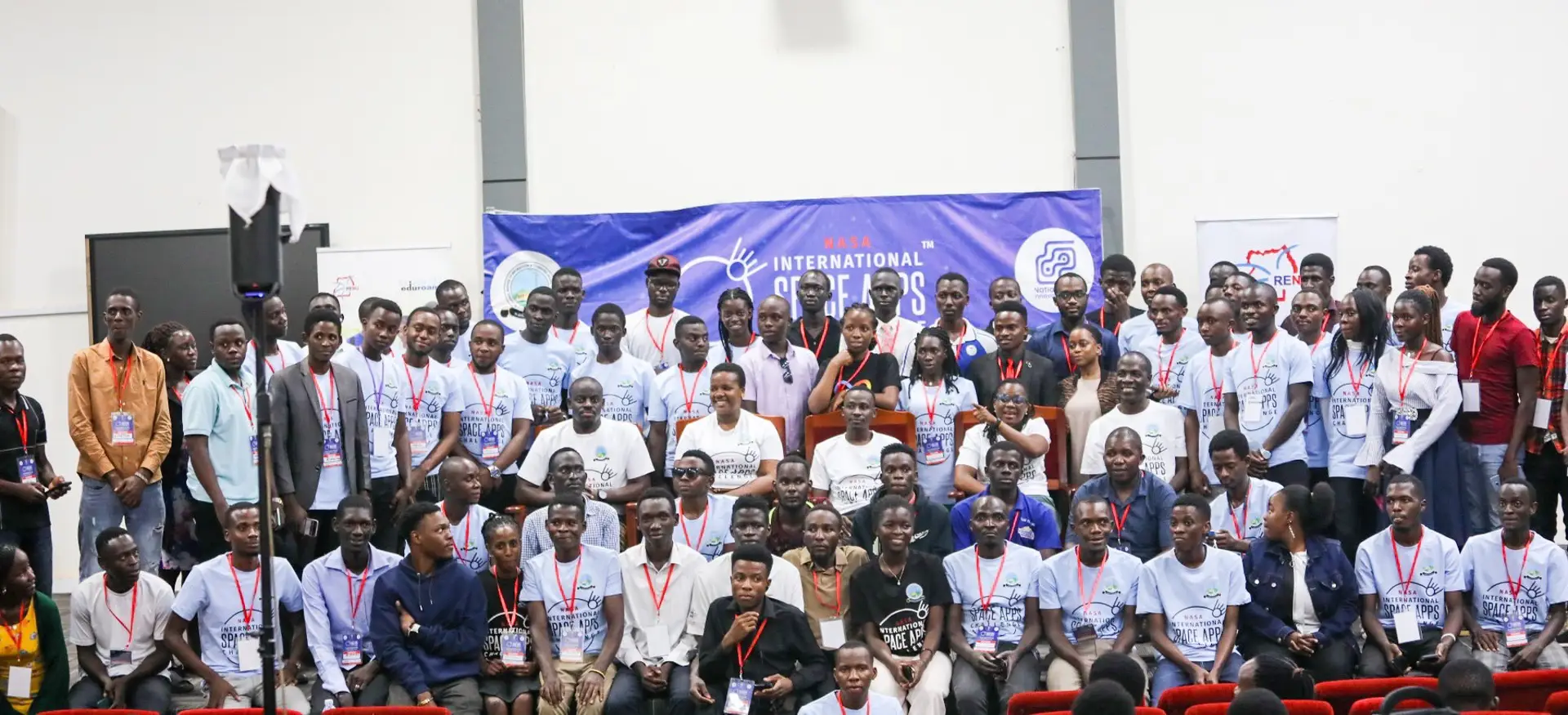
🚀 UICT and STI Secretariat Champion Uganda’s Leap into Aerospace Innovation through NASA Space Apps Challenge

In a powerful showcase of Uganda’s rising role in global aerospace and innovation ecosystems, the Uganda Institute of Information and Communications Technology (UICT), in collaboration with the Science, Technology and Innovation (STI) Secretariat under the Aeronautics and Space Science Bureau, successfully co-hosted the NASA Space Apps Challenge Kampala 2024—a milestone event that brought together bright minds to solve critical challenges using real NASA open datasets.
Held from October 5–6, 2024, at the National ICT Innovation Hub in Nakawa, this international hackathon drew over 100 participants ranging from university students to seasoned developers, scientists, engineers, and designers. The Kampala edition was part of a synchronized global innovation event held in over 300 cities worldwide.
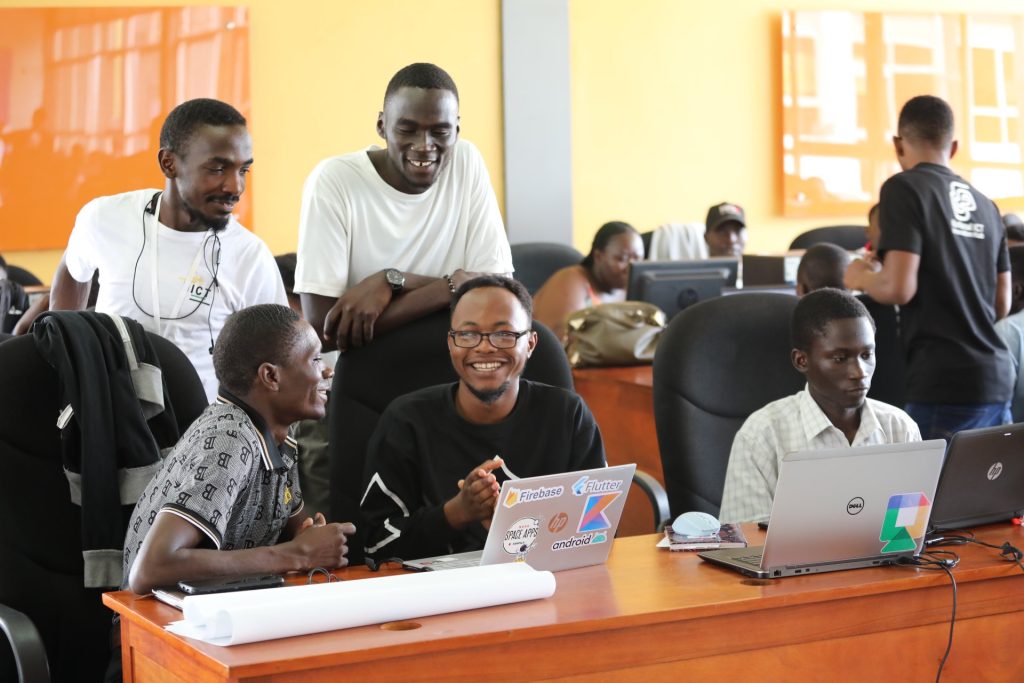
 What Is NASA Space Apps Challenge?
The NASA Space Apps Challenge is the largest annual global hackathon coordinated by NASA. The event invites participants worldwide to engage with NASA’s open data and tackle high-impact challenges relevant to Earth science, space exploration, environmental conservation, and future technologies.
For Uganda, the Kampala edition represents more than just participation—it’s a strategic gateway to aerospace knowledge, space-data-driven innovation, and global recognition.
 Strategic Objectives
Themed “Exploring Open Data: Innovating for Earth and Beyond,” this year’s challenge aimed to:
-
- Inspire homegrown, data-driven solutions using NASA’s Earth and planetary science datasets
-
- Spark national interest in aerospace science and satellite data applications
-
- Equip Ugandan innovators with technical, entrepreneurial, and scientific skills
-
- Showcase Uganda’s capacity for international R&D participation
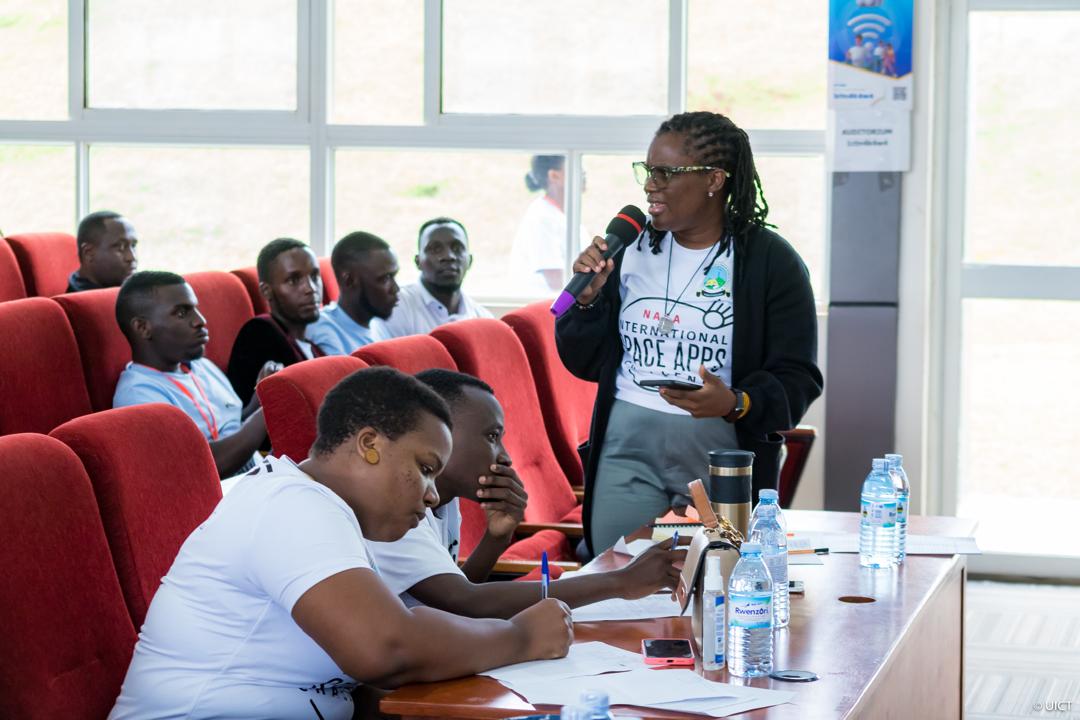
 Hosted by UICT, Backed by the STI Secretariat
The Science, Technology and Innovation Secretariat, Office of the President, through its Aeronautics and Space Science Bureau, played a central role in sponsoring and funding the Kampala edition. This support ensured seamless logistics, access to scientific mentors, national media coverage, and recognition for Uganda’s growing aerospace community.
According to officials from the STI Secretariat:
“Space Apps Kampala is part of our strategic investment in building Uganda’s capabilities in space science, AI, and remote sensing. It aligns with our national roadmap for harnessing STI to achieve Vision 2040 and foster sustainable development.”
The UICT Research and Innovation Unit co-organized the hackathon, leveraging its growing footprint as a national center of excellence for ICT training, applied research, and emerging technology incubation.
 Event Format & Technical Highlights
The 2-day hackathon included:
-
- Pre-hack workshops (held at UICT and Makerere University) on navigating open data, design thinking, and prototype development
-
- Real-time access to NASA’s APIs, datasets, and satellite imagery
-
- Mentorship from professionals in Earth observation, aerospace, AI, and entrepreneurship
-
- A final pitch session, judged by a panel of experts from academia, industry, and government
 Sample Challenge Topics Included:
-
- Predicting locust migration using satellite data
-
- Enhancing disaster response through remote sensing
-
- Using AI to interpret Martian surface data
-
- Visualizing climate change indicators in East Africa
 Key Partners
This event’s success hinged on robust collaboration between multiple actors in Uganda’s innovation ecosystem:
| Partner | Role |
|---|---|
| STI Secretariat – Office of the President | Lead sponsor and strategic enabler |
| UICT | Co-organizer and venue provider |
| National ICT Innovation Hub | Technical support and infrastructure |
| Makerere University | Co-host and academic partner |
 Post-Hackathon Impact
Building on the success of the Space Apps Challenge, UICT initiated a post-event incubation series for top-performing teams. The goal is to:
-
- Refine selected projects into Minimum Viable Products (MVPs)
-
- Facilitate IP registration, business modelling, and investor engagement
-
- Align solutions with Uganda’s needs in agriculture, climate resilience, and space tech applications
Additionally, this event inspired UICT to expand its Aerospace Innovation Program, which includes space-data analytics, satellite IoT, and drone engineering modules for students and researchers.
 Why This Event Matters for Uganda
This event marks a pivotal moment in Uganda’s science and technology development, signifying that the country is not only a consumer of global innovation—but a growing contributor to it.
It supports national priorities such as:
-
- Vision 2040: transitioning Uganda into a modern, knowledge-based economy
-
- Digital Uganda Framework: fostering inclusive digital transformation
-
- NDPIII: increasing investment in science, technology, and innovation
As UICT’s Head of Research, Gastervas Rutwara Mugume, aptly noted:
“This challenge proves that Uganda’s youth can innovate with the best in the world. When we support them with the right tools, data, and guidance, we unlock incredible possibilities—not just for tech, but for national transformation.”
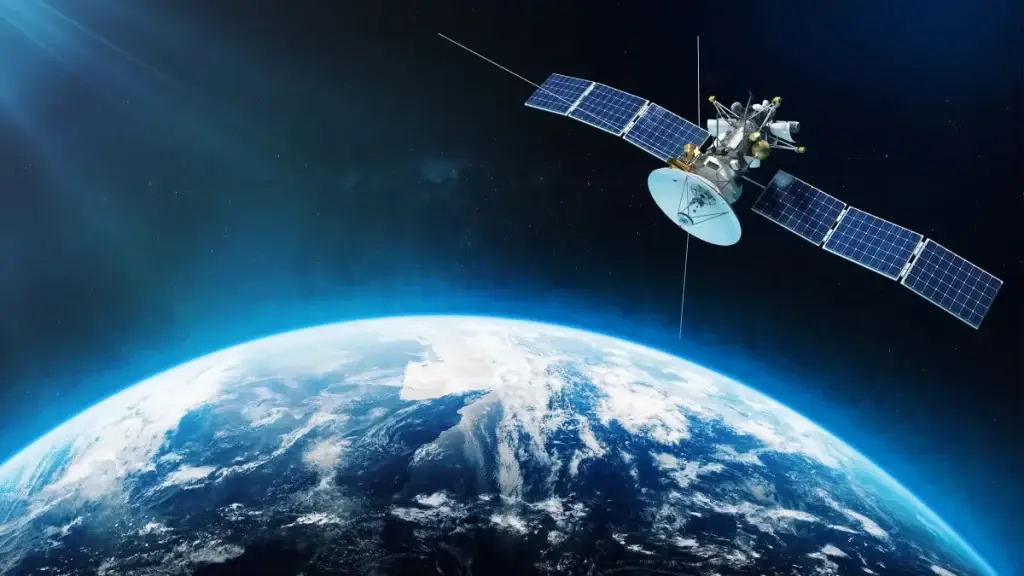
 Conclusion: Eyes on the Stars, Solutions on the Ground
The NASA Space Apps Challenge Kampala 2024 was not merely a competition—it was a launchpad for Uganda’s aerospace ambition. With the STI Secretariat’s strategic support and UICT’s institutional leadership, Uganda is setting its trajectory toward becoming a continental hub for space science, data-driven innovation, and emerging technology excellence.
The event ends, but the mission continues: to harness the power of data, innovation, and youth to build a smarter, more resilient Uganda—and, perhaps, to inspire the next African https://euroendometriosis.com/about/ astronaut or aerospace tech company from right here in Kampala.https://uift.edu.mx/contacto